
KEEP YOUR CAMPUS PROTECTED WITH

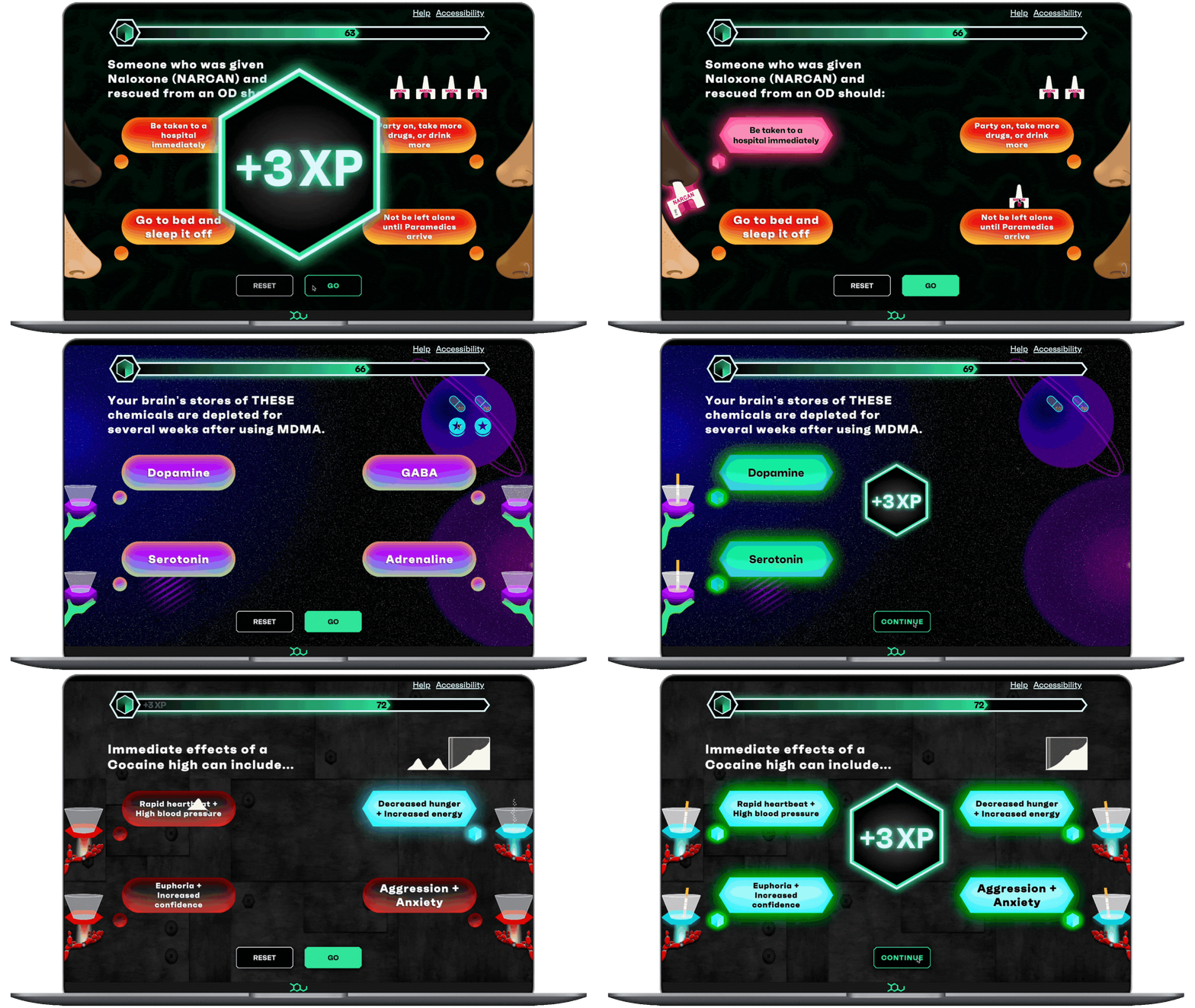
Evidence-backed, game-based training equips your students with life-saving skills — and makes it fun.
BECAUSE 1 IN 3 U.S. COLLEGE STUDENTS WILL TRY AN ILLICIT DRUG THIS YEAR.
SAMHSA, 2026


Substance Literacy™ targets dozens of risk factors
-
► Examine the subjective and physiological effects of Cocaine use.
► Understand the after-effects of Cocaine + its impact on mental health.
► Define how stimulant dependency develops + tools for prevention.
► Drive awareness of fentanyl, methamphetamine, and other common contaminants.
► Recognize high-risk outcomes of combining Cocaine use with alcohol.
-
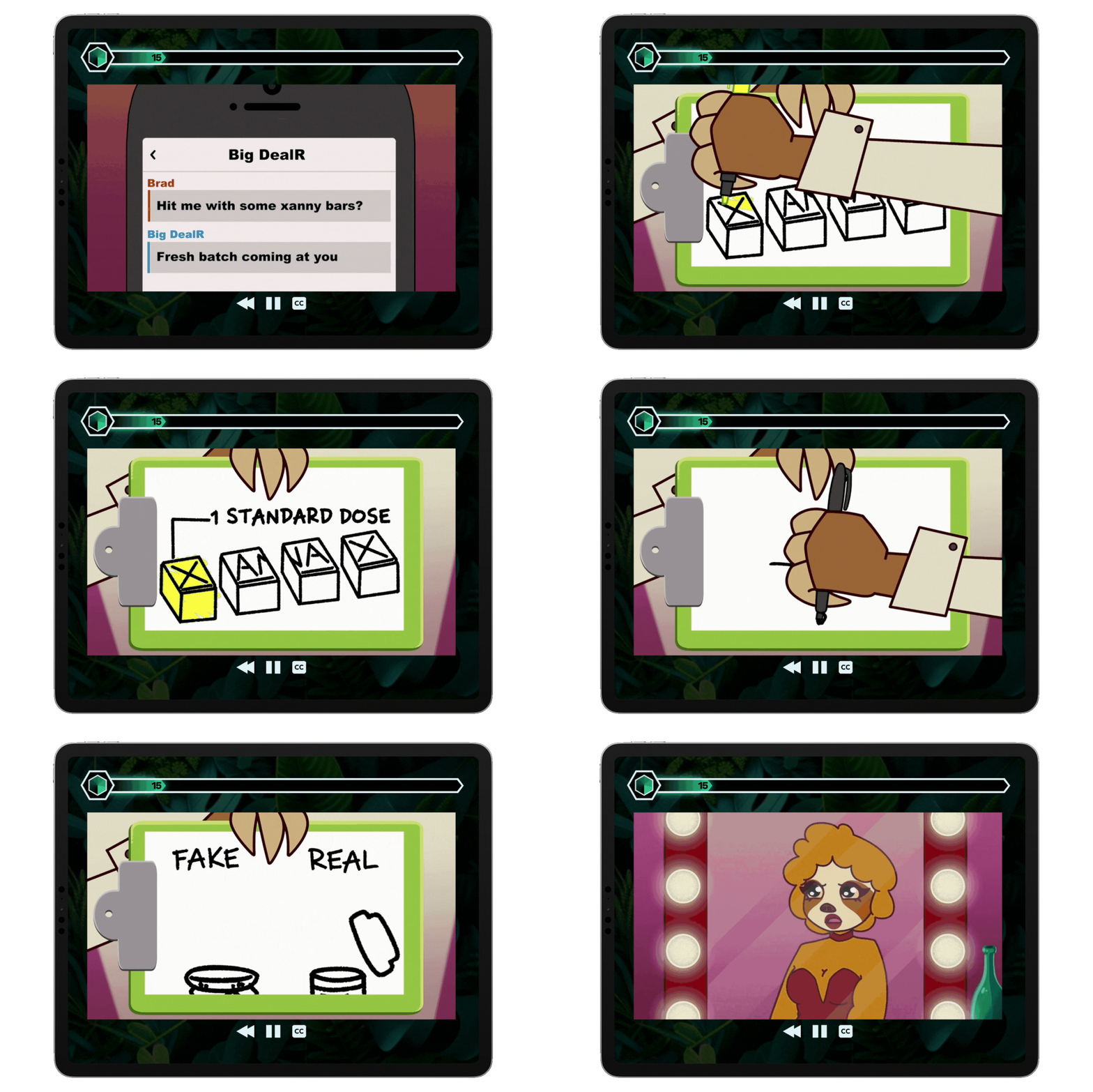
► Examine the subjective and physiological effects of benzodiazepine use.
► Understand after-effects of benzodiazepines + impact on mental health.
► Define how depressant dependency develops + tools for prevention.
► Drive awareness of counterfeit prescription pills and fentanyl contamination.
► Recognize high-risk outcomes of combining benzodiazepine use with alcohol.
-
► Examine the subjective and physiological effects of MDMA (Molly / Ecstasy) use.
► Understand the after-effects of MDMA + its impact on mental health.
► Develop skills for sexual assault prevention + bystander intervention.
► Drive awareness of fentanyl, methamphetamine, and other common contaminants.
► Recognize high-risk outcomes of combining MDMA use with alcohol.
-
The synthetic opioid Fentanyl is now implicated in more than ¾ teen overdose deaths in the US.
► Develop hands-on skills to identify the signs of an opioid overdose
► Recognize when to call for help + protections under Good Samaritan Laws
► Learn to administer nasal naloxone + how it works to reverse an opioid overdose
► Identify when naloxone may not be effective + navigate these scenarios effectively
► Lead the overdose victim and fellow bystanders in reestablishing safety
TRUSTED BY




“I've never seen anything like ZenithShield, which I appreciate. It is one of a kind — I enjoyed it, truthfully. Students love the game aspect and enjoy learning while doing something fun, it’s a hit with the students.”
Elizabeth Akinboboye, MPH, CHES
Northwestern University Asst. Director of Substance Misuse Prevention

of GenZ learners would recommend ZenithShield to a friend.
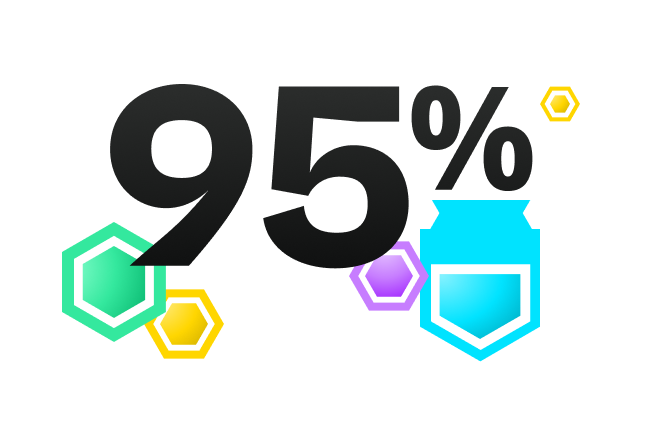
of GenZ learners believe what they learned in ZenithShield will be useful in their real lives.
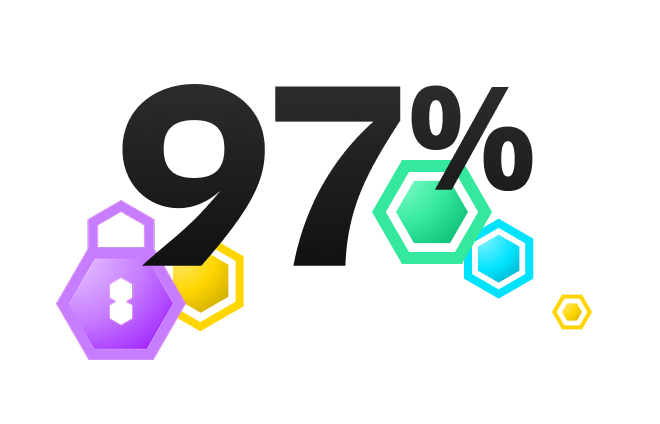
of GenZ learners felt confident in their ability to respond to an active overdose after ZenithShield.
“It was like a story-driven video game, where you interact with what you've learned and then apply it right away. The visuals and presentation are absolutely stunning.”
Lainey, 21, California

Accessible for All
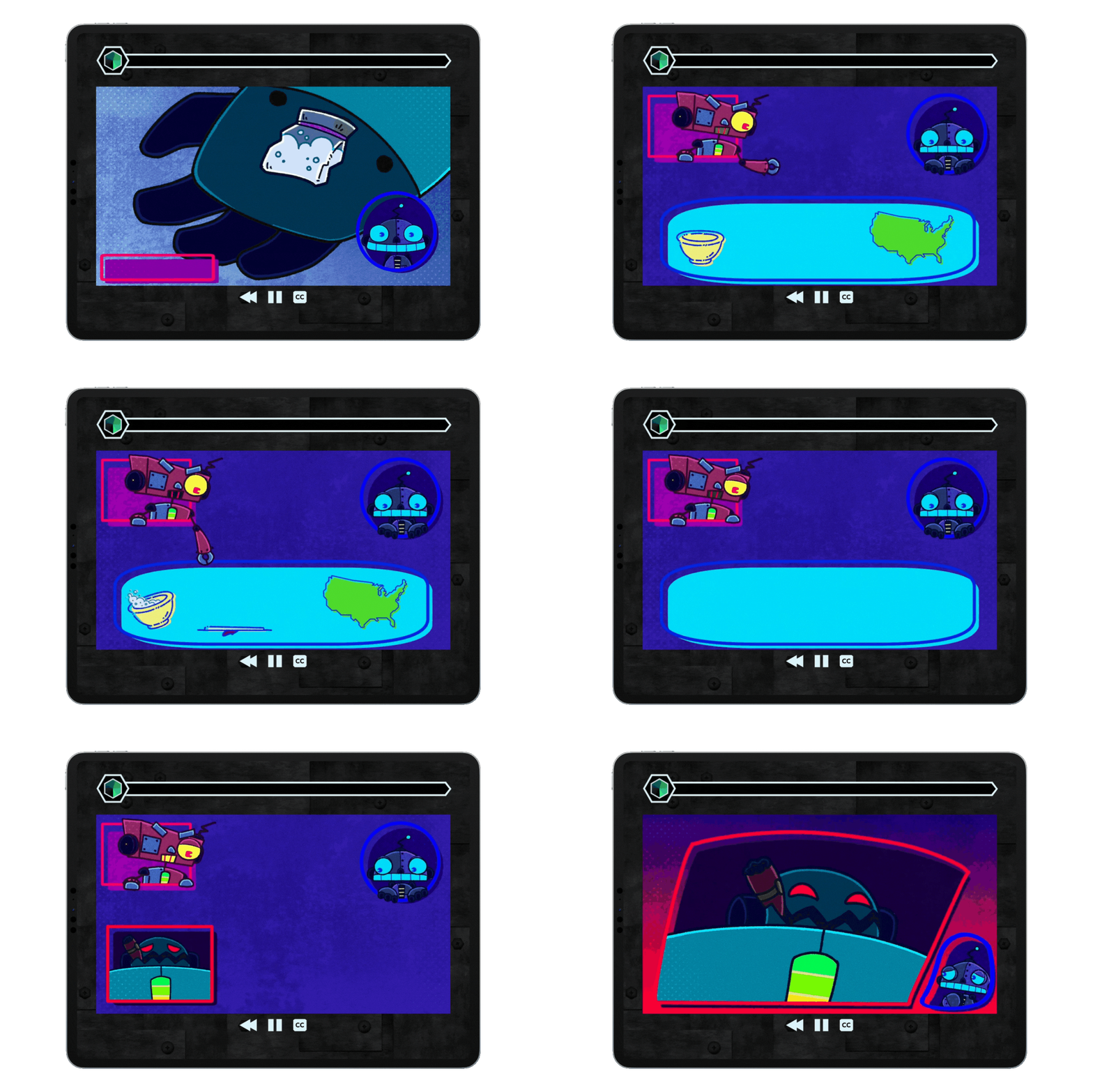
ZenithShield is built for learners of all abilities, in compliance with WCAG 2.1 AA Guidelines and the Americans with Disabilities Act.
Learn more about our commitment to Accessibility HERE.
FAQ
-
ZenithShield is available to students for 12 months, beginning on your campus’ selected launch date.
Students have access to all of the primary training materials, and:
SaveMyFriend, the emergency response guide app
The Good Samaritan Law database for all US states and Canada
Instructions on how to use Fentanyl Test Strips
How to safely dispose of a Fentanyl-contaminated substance
Access to their Certificate of Achievement
-
The game takes about 60 minutes to complete. It can be finished in a single session or multiple, at the learner’s preference.
Upon successful completion, learners receive their Certificate of Achievement.
-
ZenithShield does not encourage substance use, nor does it tell learners “don’t do drugs,” “just say no,” or similar abstinence-only messaging that have been shown to be ineffective.
The training includes scenarios where characters use substances for the purpose of demonstrating the physical and psychological effects during and after use. This supports learners in:
Developing specific reasons for why they do not want to participate in substance use — creating individualized defenses against peer pressure.
Reducing the perception of novelty and curiosity, a top-reported factor in young adults’ choices to experiment with substance use.
Learning “non-negotiables” for risk reduction in the event substance use experimentation does occur, and thereby creating logical barriers to substance use.
Understanding that, while substance use can be viewed as socially acceptable in some scenarios, social acceptance does not change the risks associated with substance use.
Substance Literacy curriculum is grounded in decades of data demonstrating that comprehensive training — addressing both risks and perceived benefits — is more effective in preventing substance-related consequences than abstinence-only programs.
All learning materials are based on peer-reviewed or federally-published data sources, including the Drug Enforcement Administration (DEA).
-
Research and development of ZenithShield began in 2020.
Substance Literacy curricula are sourced exclusively from peer-reviewed, journal-published literature and authoritative government sources, such as the Drug Enforcement Administration (DEA), by neuroscience and public health researchers. All materials are subject to review and approval by the DopaGE Clinical Board.
Research trials on the training’s efficacy are ongoing, with statistically significant positive results shown. Connect with our team to learn more, or review a preliminary manuscript here. -
Selection is based on a risk assessment framework that identifies the highest-threat substances young adults are most likely to encounter in real-world situations.
Analysis considers both harm potential and experimentation likelihood. For example, while cannabis is widely used, it very rarely causes life-threatening harm. Conversely, a substance like heroin poses extreme danger but is rarely a young adult’s choice for experimentation. The curricula focus on substances at the critical intersection of high risk and high probability of encounter.
These are substances regularly glamorized in popular culture and commonly encountered by young adults in social settings and online, including Cocaine, MDMA (molly/ecstasy), and prescription depressants. These substances represent significant threats because they combine social accessibility with life-threatening health risks.
Any of these substances may be adulterated with fentanyl, so learners receive comprehensive training in contamination recognition and overdose response protocols — essential skills for today’s young adults.
Polysubstance use is also covered, particularly the combination of these substances with alcohol. This practice significantly increases fatality risk, so training scenarios target prevention of these diverse combinations.
Every substance included represents a documented risk that young adults face in their environments, such that ZenithShield prioritizes prevention of legitimate threats to health and safety.
-
ZenithShield is played on computers and tablets to optimize learning efficacy on devices less prone to distractions.
ZenithShield prevents multitasking by pausing progress whenever the focus of a learner’s device is moved away from the training session and only resumes once they return.